











































Household Survey for CORE Group Polio Project Baseline Assessment - Nepal
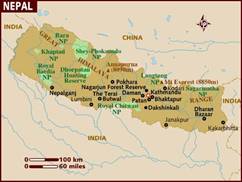
In July 2008, the Core Group Polio Project (CGPP) team conducted a baseline assessment in each of the four CGPP countries in order to better understand the specific barriers to polio immunisation. This report is on conditions in Nepal. Over the last 10 years, the CORE Group, in partnership with the United Nations Children's Fund (UNICEF), Rotary, and the governments of India, Nepal, Ethiopia, and Angola, has worked to reduce the burden of polio by mobilising local and hard-to-reach communities through routine immunisation campaigns and vaccination services. Common barriers to immunisation in these countries include things like a lack of awareness regarding vaccination, poor surveillance capacity, and a belief that vaccinations can be harmful to children.
From the CORE website: "Nepal's... public health system with a government-sanctioned network of community health volunteers (Female Community Health Volunteers - FCHVs) has maintained high vaccination coverage rates. Despite the work of the CGPP and other local, national, and international partners, in 2008 Nepal experienced 5 polio cases linked to importation from India. Exceptionally high coverage and sensitive surveillance are critical for Nepal due to its proximity to and porous border with India, an epicenter of polio transmission. Working through the health systems already in place, particularly the District Public Health Offices and the FCHVs, the CGPP annually reaches 2,489,715 children under 15 with vaccination promotion and AFP surveillance awareness."
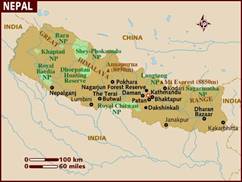
This particular survey was conducted to determine the status of progress on previous projects, ongoing since 2000, and to assess the baseline status in order to expand the project activities. Eight districts on the Indian border were categorised into three programme areas on the basis of programme intervention periods/dates of initiation. The cross-sectional survey collected data from mothers of children ages 12-23 months through interviews and with questionnaires. The survey attempted to collect data on: each mother's background; awareness and source of information on polio; and knowledge, practice, and coverage on routine immunisation, polio campaign, and acute flaccid paralysis (AFP).
The majority of the respondents belonged to the ethnic classification janajati and were economically and educationally disadvantaged Hindu dalits (of the lowest caste of the Indian caste system) - speakers of Maitheli, Bhojpur, and Tharu. Six in ten mothers worked. Their major source of polio information was identified as the FCHV, and 71% were aware of the last polio campaign (every year, two national and two sub-national immunisation days are conducted). Volunteer involvement in household visits was found to be high.
FCHV and radio are the chief means of information about polio immunisation days. Seventy-five percent of households surveyed were visited in the previous campaign, and more than 80% participated in immunising. Knowledge of giving repeat vaccines was high, as was knowledge that sick children should not receive the vaccine. However, 90% of mothers had received an immunisation card, but 22% had a card containing the date of last immunisation. The survey concluded that knowledge of AFP could be improved, as well as the age at which to give the first dose of polio.
CORE group members in Nepal are:
- Care Nepal
- Save the Children
- Plan
- World Vision
- Adventist Development and Relief Agency
CORE Group e-newsletter, June 2009, and the CORE Group website.
- Log in to post comments