











































CORE Group Polio Project Baseline Survey: Ethiopia
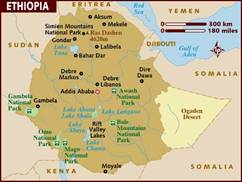
This report is on the July 2008 Core Group Polio Project (CGPP) team baseline assessment for its polio projects to better understand the specific barriers to polio immunisation in Ethiopia. The CORE Group Polio Project (CGPP) began in 2000 and has addressed a variety of challenges to reaching inaccessible communities with vaccination services and surveillance. This United States Agency for International Development (USAID)-funded assessment aimed to determine immunisation coverage of 12-23 month-old children, assess immunisation status of children under 5 years old during national and sub-national immunisation days (NIDs and sub-NIDs), determine knowledge and attitudes of caregivers on polio and acute flaccid paralysis (AFP) surveillance, and identify reasons for non-immunisation.
CGPP has focused on reaching under-served rural and migrant populations due to high risk for importation from conflict-ridden Somalia and South Sudan on its borders. At the time of reporting (2008), the 12 CGPP-Ethiopia partners included eight private volunteer organisations (PVOs) and four local non-governmental organisations (NGOs). These partners implement activities in 52 woredas (districts) of seven regions in the country, reaching a total of 2,039,905 children under 15 annually.
A cross-sectional descriptive survey was carried out using a 30 by 10 modified World Health Organization (WHO) Expanded Program on Immunization (EPI) cluster sampling procedure. Participants were, in the majority, females; about two-thirds of them never attended a formal school; >80% lived continuously since birth in the current residence; and 35% reported that they work outside of home - the main income source regionally is farming. Older children were reported to be the alternate caregivers for younger children.
Survey results revealed that the main sources of information mentioned were health institutions/health professionals and CORE volunteers. However, half or fewer of the respondents remembered the date of the last vaccination campaign. More than 90% of the households had been visited by vaccinators during the recent NID/SNID. Hence, polio campaigns immunised children at a rate above 90% during campaign and 70% during the routine immunisation programme. Knowledge about AFP was high (at 70%); and more than 80% reported that they would contact a clinic/municipal authority/hospital if a child had paralysis, indicating a high level of health-seeking behaviour. Some barriers remain, including: a belief among respondents (90%) that children can receive polio vaccinations too often, and that some children should not be vaccinated or might be hurt by the polio vaccination. Few can retain and produce vaccination cards. Coverage reporting from some regions (Afar, Somali, and Gembella) is low.
The most prevalent reasons for not getting a child vaccinated included lack of healthcare workers coming to give the vaccine in the village, lack of awareness about the vaccine, and an absence of a health facility in the locality. Recommendations include:
- "Full and active participation of the local health authorities and stakeholders must be solicited to be successful in future immunization programmes."
- "Sustained efforts are needed to strengthen routine immunization for polio and other antigens."
- "Special attention and frequent high level advocacy should be given for Afar, Somali, Gambella and Benishangul Gumuz Regions."
- "Emphasis should be given on expansion of static and outreach sites to increase routine immunization coverage."
- "Social/resource mobilization activities need to be strengthened."
- "Monitoring and evaluation of the immunization program must be strengthened."
- "Periodic coverage survey must be conducted to supplement the routine reports."
- "Health education on immunization shall be strengthen with due emphasis on interpersonal communication."
- "Training on data recording, reporting and analysis should be given to increase the quality of recording and keeping immunization service/program data."
CORE Group members in Ethiopia:
- African Medical and Research Foundation (AMREF)
- International Rescue Committee
- Catholic Relief Services
- Save the Children
- CARE International
- Christian Children's Fund
- Plan
- World Vision
CORE Group e-newsletter, June 2009, and CORE Group website.
- Log in to post comments