










































Hajji's Join Social Mobilization Effort for Polio: SMNet Targets Pilgrims in Critical Polio-endemic Areas of Bihar and U.P.
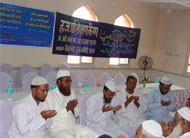
This article explores the intensification of strategic communication among Hajj travelers in the Indian states of Uttar Pradesh (U.P.) and Bihar in the fourth quarter of 2008. In what the United Nations Children's Fund (UNICEF) identifies as the very first time, pilgrims applying for Haj in 2008 were asked to submit polio immunisation certificates. "Polio partners seized the opportunity and utilized the Hajj application process – which lasted almost one full year - to advocate for polio eradication."
First, the article offers a sense of the context - why reaching this particular population was so critical in the effort to eradicate polio virus type 1 (P1). For instance, the reader learned that those senior members of the Muslim community who have performed Hajj "enjoy elevated status in the community and are looked upon by community members for consultation on social, religious and other issues....Working with the pilgrims over the course of the year offered the polio partnership a unique opportunity to...enlist their support as partners and influencers."
To further focus this intervention to reach the underserved, Rotary International, National Polio Surveillance Project (NPSP), and UNICEF identified a total of 171 sites in 44 Social Mobilization Network (SMNet) districts of U.P. where potential Hajji's were going for immunisation. Approximately 20,000 appeals endorsed by local and national religious institutions, 123 banners, and 600 booklets were distributed to sensitise pilgrims about the importance of polio eradication. Over 50,000 Hajj travelers were exposed to these polio messages.
Interpersonal strategies also figured prominently. As detailed here, in September and October 2008, Government-supported religious trainings were held for all short-listed Hajj travelers in U.P. and Bihar. SMNet participated, explaining the importance of health, including polio, in Islam. The objective was to continue sensitising the group on the polio programme, and to enlist their support as advocates and influencers when they returned from Hajj in December 2008 and January 2009. Experience shows that "Muslim religious leaders have proven to be successful not only in leveraging support for polio vaccination, but also in reassuring anxious families about the safety and religious acceptability of the vaccine."
Among the 44,394 travelers from U.P. SMNet Districts, 5,428 had returned before the December NID. Of those who returned, 32% participated in polio activities for the December National Immunization Day (NID). Approximately 1,100 Hajji's assisted Community Mobilization Coordinators (CMCs) with resistant families or inaugurated booths in various high-risk areas of Western U.P. "While there was an overall increase in booth coverage in those that Hajji’s inaugurated, as well as a decrease in resistant households for some districts, there is not yet enough data to correlate this intervention to increased immunisation rates." Planning with Hajji's has continued for their participation in the February NID.
India Communication Update from UNICEF, Volume XVII, January 2009.
Comments

Ekramur Rashid
Hi, Its very useful in the eradication of the henious disease polio, reason that most of the polio case coming from the muslim society and specially in the western UP. Muslim community in the UP and Bihar they have some fear regarding the polio vaccine, but the involment of Hajis its may be big support of the programe.Haji they dont comes from Maulvi section they come from all the section of Muslim and they have values in the society.
- Log in to post comments