










































The Little Jab Book: A Playbook for COVID-19 Vaccination in Kenya
"Even if supply side barriers are addressed, vaccination uptake will not increase if demand is lacking."
This playbook uncovers underlying reasons for vaccine hesitancy among parents and youth in Kenya and includes localised, behavioural-science-informed solutions to increase uptake of COVID-19 vaccines. Inspired by "The Little Jab Book" (see Related Summaries, below), and prepared in partnership with the Ministry of Health in Kenya, the resource is designed for any stakeholder in Kenya working on a COVID-19 vaccine uptake programme.
To develop the playbook, the Busara Center for Behavioral Economics, Common Thread, Save the Children Kenya, and Save the Children's Center for Utilizing Behavioral Insights for Children (CUBIC) conducted in-depth interviews with parents in Nairobi, Migori, and Bungoma, and collected quantitative survey data from 1,412 young people from the Nairobi area. The resource is structured according to the three most commonly cited problems for uptake based on the research:
- People underestimate the need to get vaccinated - e.g., they do not feel at risk of catching or falling seriously ill from COVID-19, or they have other, more pressing daily challenges that take precedence.
- People do not trust the vaccine because of: a fear of vaccine side effects, a lack of trust in the vaccine manufacturing process or in the government's intentions, and/or a belief that the vaccine is being used by western countries as a trial on the African population.
- People do not know how and when to register for vaccination - e.g., they lack information on whether they are eligible to get vaccinated, or they get disheartened by the registration process and give up.
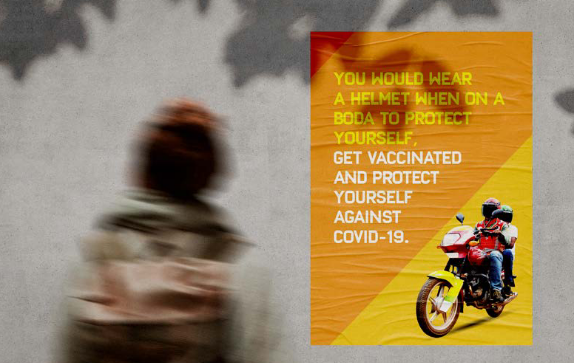
Based on these insights, the collaborators then co-created potential solutions with local and national stakeholders, resulting in 9 behavioural science interventions for youth and adults in Kenya. For each intervention (e.g., partner with community health workers (CHWs) and community volunteers (CVs) to spread the word on vaccination), the playbook provides a description, behavioural insights (e.g., the Messenger Effect: People are influenced and quickly take cues on an issue based on who is conveying the information, such as trusted CHWs and CVs), a mockup/example, and activities for implementation.
For each intervention outlined in the playbook, readers are urged to consider how it might work in a particular region, how it might be perceived by the community, and what might need to be changed so it is more appropriate.
Publishers
50
Save the Children Resource Centre, July 22 2022.
- Log in to post comments