











































Uptake of Human Papilloma Virus Vaccine and Its Determinants among Females in East Africa: A Systematic Review and Meta-analysis
University of Gondar (Agimas, Adugna, Derseh, Abate); Debre Tabor University (Kassaw, Kassie)
"In spite of the fact that the World Health Organization (WHO) recommends the introduction of the HPV vaccine for low-income countries, there is unequal distribution of the HPV vaccine across the countries..."
Cervical cancer is the main cause of death among women in sub-Saharan African countries. The incidence and mortality rates are highest in East Africa. This systematic review assessed the pooled prevalence of the uptake of human papillomavirus (HPV) vaccine, which can prevent cervical cancer, and its determinants in East Africa.
Both in electronic databases and on websites, 40,463 relevant articles were identified. In the final analysis, 29 articles were selected for analysis, and the pooled prevalence of HPV vaccine uptake in East Africa was 35% (95% confidence interval (CI): 26-45%). Significant factors for the uptake of the HPV vaccine identified in these articles include: good knowledge (odds ratio (OR) = 1.6, 95% CI; 1.43-1.8), positive attitude (OR = 2.54, 95% CI; 2.13-3.03), ever heard about HPV vaccine (OR = 1.41, 95% CI; 1.03-1.94), mother's educational status above college (OR = 1.84, 95% CI; 1.03-3.31), middle wealth index (OR = 1.33, 95% CI; 1.04-1.7), family size of 9 people or above (OR = 0.76, 95% CI; 0.68-0.98), availability of promotion (OR = 2.53, 95% CI: 1.51-4.26), availability of adequate vaccine (OR = 4.84, 95% CI; 2.9-8.08), outreach vaccination practice (OR = 1.47, 95% CI; 1.02-2.12), and family support (OR = 4.3, 95% CI; 2.98-6.21). The uptake of the HPV vaccine was higher among adolescents than youth.
The discussion section of the paper explores some of these findings. For example, with regard to the finding about the linkage with family support and uptake, this finding could be due to the fact that those who are supported by their family or guardian can get adequate knowledge about the HPV vaccine, can develop a favourable attitude towards HPV vaccine uptake, and can provide an important step in deciding whether to get the HPV vaccine. In addition, most of the time, adolescents' decisions rest on their family or guardian; thus, family support offers a crucial factor in expanding vaccination practice.
The researchers explain that, as compared to the global strategic plan, the pooled prevalence of HPV vaccine uptake in East Africa is low. Based on findings about the importance of knowledge about and attitudes toward the HPV vaccine, the researchers recommend focusing on awareness creation and behavioral change to expand the uptake of HPV vaccines in East Africa.
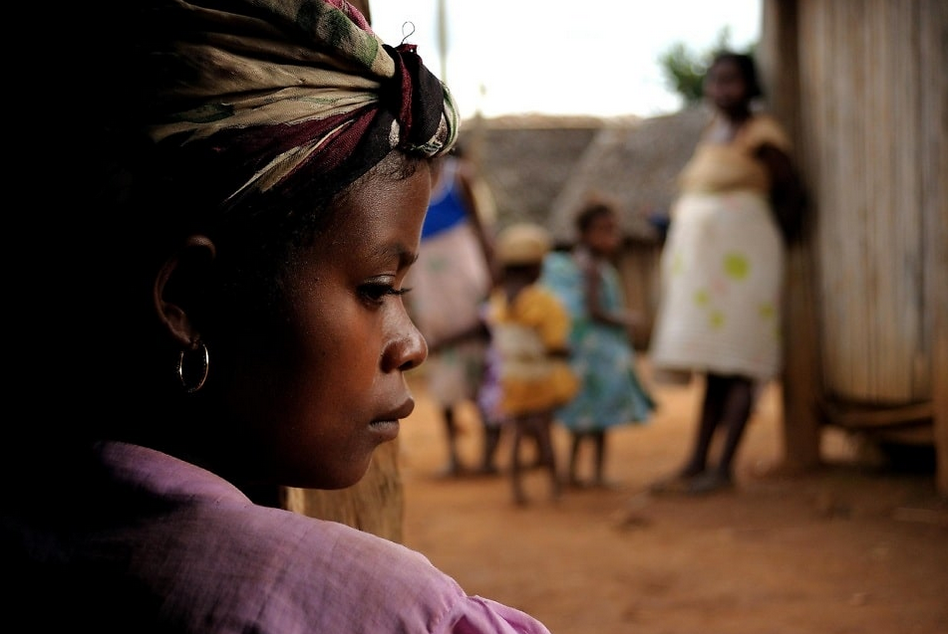
BMC Public Health (2024) 24:842. https://doi.org/10.1186/s12889-024-18141-5. Image credit: Jules Bosco, Salohi, USAID via Pixnio (free to download)
- Log in to post comments