











































Annexes to: Perceptions of Influence: Understanding Attitudes to Polio Vaccination and Immunisation in Northern Nigeria - Main Research Report
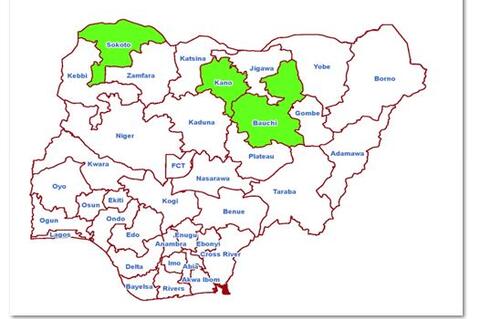
This page provides a list with brief descriptions of the 7 annexes. It describes a pilot investigation designed to understand attitudes to polio vaccination and immunisation in Northern Nigeria. As can be learned about in more detail here, the purpose of the research was to demonstrate the potential of field research to explore and explain deep-rooted and interconnected factors shaping people's health-related behaviour and attitudes to mass vaccine programmes like the Polio Eradication Initiative (PEI). The goal is to help safeguard the gains of the polio programme and to sustain high levels of routine immunisation (RI) coverage as part of the PEI legacy.
The annexes to the research paper include:
- Annex a: Research Governance and Participation - outlines the structure of research oversight and governance and the principal participating/consultative research contributors.
- Annex b: Detailed methodology - describes: the research rationale ("[u]derstanding and reducing the rate of missed children is the key to successful mass vaccination and eradication programmes"); the research hypotheses; research sites and sample selection (featuring 12 maps); the household survey; the quantitative and qualitative data; implementation of the final survey questionnaire; and limitations of the research.
- Annex c: Demographic and socioeconomic profile of sample.
- Annex d: State-specific analysis breakdown for sampled areas of Sokoto, Kano, and Bauchi: "These state-level observations should be read in conjunction with the main body of the research report. The thematic areas of state-level data and interpretation are set out in a format which mirrors that main report." Topics covered in this annex include: missed children, OPV (oral polio vaccine) refusal, and intra-household dynamics; settlements and "clustered" refusal risk; vaccine and immunisation knowledge; wealth, health, and education; religiosity; trust in government; and community participation/cohesion.
- Annex e: Ethical approval from the Nigerian Health Research Ethics Committee (NHREC).
- Annex f: Composite variables indices - includes components of: household wealth index, vaccine knowledge index, health experience index, intensity of religious observation index, and community participation index.
- Annex g: Data analysis and analytical methodology.
Click here to access the annexes as a Word document.
Click here to access the full report in PDF format.