










































GPEI Gender Equality Strategy, 2019-2023
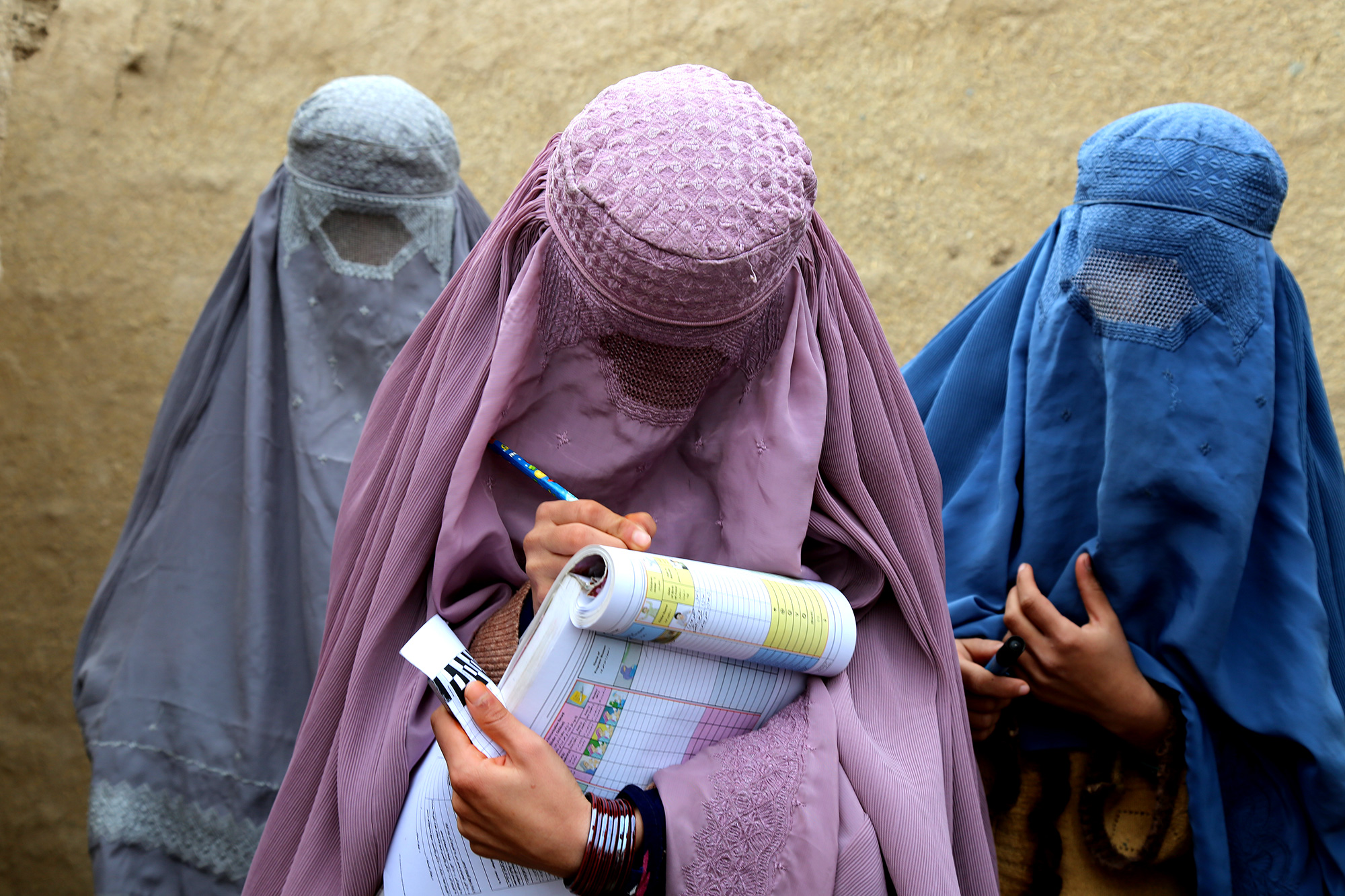
The Global Polio Eradication Initiative (GPEI) monitors its interventions through a gender lens and conducts regular gender analysis to identify and address gender-related barriers in its immunisation and disease surveillance activities. This is reflective of the conviction that, if gender roles, norms, and relations are not adequately understood, analysed, and addressed, polio interventions will not be as effective in reaching every last child with life-saving vaccines, and they may exacerbate existing gender inequalities. The GPEI Polio Oversight Board officially endorsed the GPEI Gender Equality Strategy, 2019-2023, with the objective to promote the integration of a gender perspective into different aspects of the GPEI's programming, to support countries in addressing gender-related barriers to polio vaccination, and to increase women's meaningful participation in the polio programme.
The document begins with a look at gender and polio, examining factors such as girls' and boys' vulnerability to polio, education and literacy, access to resources, gender-related barriers to immunisation, and gender and immunisation delivery. In the latter section, the reader learns that, in contexts where having an open conversation with a male health worker is not possible, it is imperative that female frontline workers are available to speak to women and deliver health services. (The Female Community Volunteers (FCV) initiative, re-initiated in areas of super-high-risk Union Councils (SHRUCs) in Pakistan in 2014, has shown how an increase in female frontline workers' participation brings about better results for polio eradication.)
This Strategy builds on the results and feedback obtained through a baseline assessment of the GPEI's current state of gender responsiveness, conducted in 2018, including an online survey completed by 634 GPEI staff. The analysis highlighted that, although gender is a significant determinant of health outcomes and a key focus area for many critical GPEI donors, the GPEI has remained largely gender-blind. For instance, 740 pages of 16 GPEI documents published on the GPEI website from 2016-2018 were examined for the content analysis; the majority did not contain any gender analysis or sex-disaggregated data. However, the survey results show that the majority of GPEI partners and staff at different levels recognise the importance of considering gender issues in polio programming and show willingness to do so.
Having shared an assessment of the GPEI's gender responsiveness and presented the Strategy overview/logic model, the document examines gender-responsive programming at the GPEI through a look at: gender analysis and project management; collecting, analysing, and using sex-disaggregated data, and gender-sensitive indicators. For each, the GPEI lays out its plans; for example, to take action whenever any gender discrepancies are found to find reasons for these gaps and support countries in addressing them through appropriate interventions (e.g., targeted communications/communication for development (C4D) strategies).
A section on gender-responsive communications further elaborates GPEI's commitments going forward:
- Include gender analysis, gender equality, and women's empowerment as integral elements in all communications plans, guidelines, strategies, and action plans.
- Include gender analysis and the collection, analysis, and use of data disaggregated by sex and other crucial variables as a critical component of the design, implementation, monitoring and evaluation (M&E) of all polio-related communications/C4D interventions and activities.
- Integrate gender considerations into all communications/C4D-related surveys, research, and polls, and ensure that results of such research are also disaggregated by sex and other variables such as age, ethnicity, and disability, and presented with gender analysis.
- Ensure women, men, girls, and boys are equally consulted and their specific needs, barriers, views, and preferences are taken into account when designing, testing, and delivering communication interventions.
- Consistently apply gender-transformative C4D approaches during the design, implementation, and M&E of communication interventions according to United Nations Children's Fund (UNICEF) guidelines.
- Establish a gender review process for the development and implementation of all polio C4D interventions in the country offices of the endemic countries.
- Ensure that communications materials, publications, and tools do not contain harmful gender stereotypes.
- Ensure that women and men are seen, heard, and treated equally in media products and messages.
- Develop and disseminate specific tools to support communications and programme staff in utilising a gender-responsive approach, including key message documents and FAQ documents.
- Use inclusive language in all official communication and refrain from using exclusionary forms of language.
- Portray and refer to women as equal and active participants in all aspects of polio eradication, not merely as mothers and caretakers.
- Ensure gender balance and diversity of speakers and thematic experts in polio-related events, workshops, and panels.
- Apply the principles of gender-sensitive communications also to audiovisual materials.
The GPEI notes that successful implementation of this Strategy requires reshaping the culture of the GPEI organisations through changes in attitudes, beliefs, and behaviours at the systems level. The idea is that commitment to gender must be sustained and sincere, with full engagement of men and women, spanning from senior management down to all levels, and effectively integrated into systems, ways of working, and the GPEI's overall organisational culture.
The Strategy will be operationalised by action plans, complete with communication plans, that will be tailored to meet specific needs and challenges within different country contexts. The Polio Oversight Board will regularly monitor and review the implementation of this Strategy and its action plan.
Click here for the 33-page strategy document in PDF format [Arabic].
Click here for the 40-page strategy document in PDF format [French].
Click here for the 42-page strategy document in PDF format [Russian].
GPEI website, July 9 2019, December 4 2019, and August 10 2020. Image credit: © WHO Afghanistan / T. Hongisto
- Log in to post comments