










































Nepal Earthquake: sharing life-saving information during a crisis
Author: Kirsty Cockburn, May 4 2015 - When Saturday’s devastating earthquake struck, I’d just finished filming with Sajha Sawal, BBC Media Action’s debate programme in Nepal.
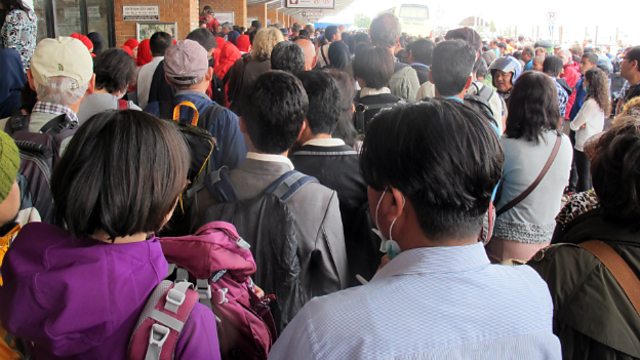
I’m now safely back at home in the UK, having negotiated the chaos at Kathmandu airport yesterday to get one of the few flights out. I was with the family of a Nepal-based colleague being pushed along with a crowd of hundreds when the second quake hit. Instinctively, I grabbed my colleague’s young son and hunkered down by a wall. As the ground buckled and flexed I watched the screws supporting the large information display above our heads pop out one by one. It somehow clung onto to the wall but the electricity was down, the control tower was abandoned, the jagged marble floor cracked open, and there was yet more panic and shouting. But the plane did eventually take off. I feel very lucky to be back here in the UK and I can’t get those left behind out of my head.
Aftershocks
The situation in Nepal will get much worse. The aftershocks keep coming, the damaged buildings and infrastructure are fragile. Water, food, shelter and medical supplies are all in short supply. The fatality and serious injury figures will continue to rise. Disease, with access to clean water and food increasingly limited, is another huge threat.
Makeshift camps
Our work using media to support people in crisis is more important than ever. Confusion and fear feed rumour and information is in short supply. In the hours that followed the first earthquake on Saturday I spoke to locals who were getting patchy news; “Another huge earthquake will hit at 6pm,” people told me categorically after hearing it on the radio. But it didn’t, the aftershocks kept coming, unsettling enough, but the next big one would come the next day.
Makeshift camps were springing up all over the city, most shops stayed shuttered or collapsed, and everyone was out in the open, like some dystopian bank holiday.
As I left the first cargo planes of international aid were landing and soldiers worked in lines to ferry supplies to waiting helicopters. In addition to this rapid mobilisation, one of the vital things people need is useful advice on what to do and what to expect during a crisis. Radio programming can help give people practical advice on how to set up camp, where to seek shelter and what support might be available or on the way.
Our BBC Media Action colleagues in Nepal, once we had confirmed they were all safe, set about doing what they had been trained to deliver. They started to make contact with our local partner radio stations in Kathmandu and beyond, in the devastated rural areas. Over the past four years, we have been helping train local journalists and provide them with equipment in anticipation of just such an emergency. The goal is to get reliable, useful Lifeline radio up and running as quickly as possible in the aftermath of disaster.
Two radio stations were working with us within hours of the first earthquake to prepare information for broadcasts to update people with news and advice. In tandem with this, we are working with our colleagues on the BBC World Service’s Nepali Service to provide regular updates to people. But we still need to extend the reach of our work to directly help those in remote places and currently cut off.
Donate now
Generous individuals contributed to BBC Media Action’s emergency fund to draw upon during humanitarian crises such as this. It is proving its worth as we speak but much more funding is needed urgently. Every donation counts and will directly help people in need. Please support [BBC Media Action] to get vitally needed information out there fast through an online donation or by texting “INFO15 £5” to 70070 to donate £5.
For live updates on our work, follow BBC Media Action on Facebook and Twitter.
Click here to access this BBC Media Action blog and related links on their work.
Image credit/caption: BBC Media Action, People queue at the airport in Kathmandu after the earthquake
Contact:
BBC Media Action
BBC Media Centre, MC3A, 201 Wood Lane
London
W12 7TQ
United Kingdom (UK)
Phone: 44 (0) 20 8008 0001
Fax: 44 (0) 20 8008 5970
Media.action@bbc.co.uk
- Log in to post comments