










































A Framework for Media Engagement on Human Rights, Sexual Orientation and Gender Identity in South Asia
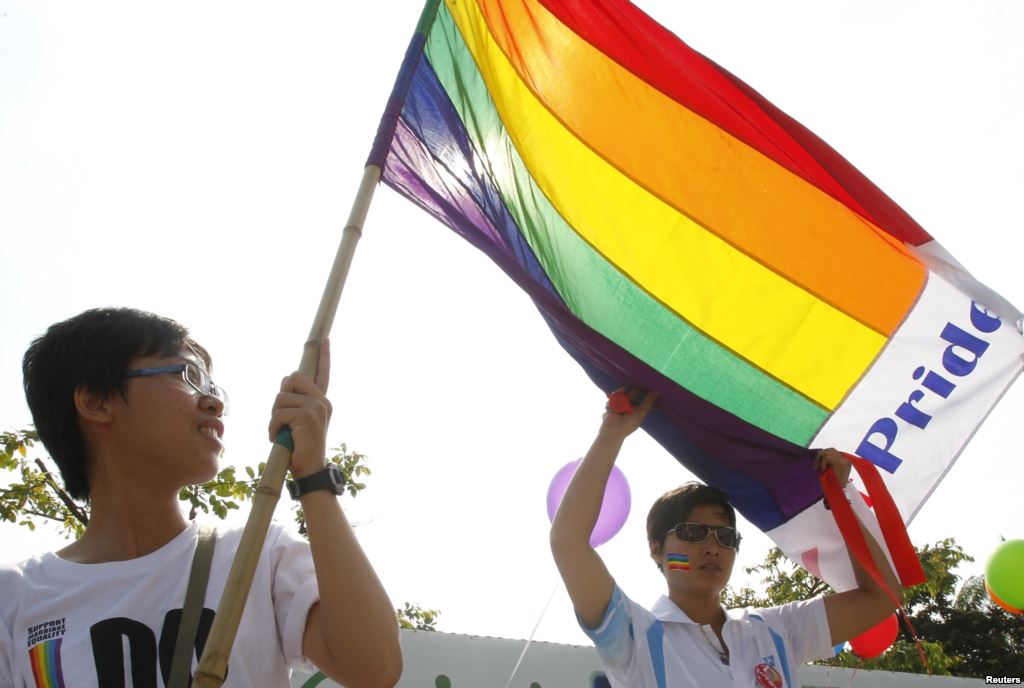
"The broader aim of the framework is to use media as a positive force to improve human rights and ensure universal access to HIV and healthcare services for MSM and TG persons in South Asia."
This document offers strategies for how men who have sex with men (MSM) and transgender (TG) communities should engage with the media, and how the media itself should leverage its influence to reduce stigma and discrimination, educate and raise awareness of human rights issues, and support approaches and programmes that improve the political, social, and legal environments for MSM and TG people in South Asia. The report includes case studies from Bangladesh, Nepal, and India and provides recommendations for actions by programme managers working in South Asia for both managing media and for empowering communities to work more effectively with media.
The Centre for Advocacy and Research, India (CFAR) undertook an assignment sponsored by the United Nations Development Programme (UNDP) Asia-Pacific Regional Centre between April 2012 and May 2013, during which the research team interacted with community members, leaders, activists, media practitioners, and civil society from across the 3 countries to gather their experiences, including their experiences with engaging with media. The result was a literature review (detailed in Part II) and the country-specific case studies (detailed in Part III) - both of which informed the framework (detailed in Part I).
Basically, the framework maps a trajectory for the emergence of MSM and TG issues and how they can be positively supported by the media. It takes into account the fact that MSM and TG issues emerge in the public eye through a variety of means: the visibility of individual activists, community organising, news reports, documentaries and films, etc. Some key enablers of successful media engagement were identified as: involving charismatic spokespeople, documenting issues such as human rights violations, combining local and national-level engagements, producing media, and nurturing supportive allies to create a positive environment for media engagement.
The case studies reveal:
- In Bangladesh, recognition of the hijra (part of the TG) community by government, combined with sustained community organising on HIV prevention for TG and MSM persons, has enabled positive print media representation in recent years. CFAR researchers attribute a lot of this activity to the Bandhu Social Welfare Society (BSWS), an organisation that adopted a rights-based approach in its engagement with media at both local and national levels. For instance, BSWS hosted roundtables beginning in 2008 and a media fellowship programme in 2011. It also produced a community-led alternative press. In this country, strategies for improving media engagement include: empowering media advocates; engaging online media; widening outreach with key stakeholders; deepening engagement through longer and more complex initiatives such as research; expanding subject focus beyond health; facilitating regular exchange and sensitisation with the media; and appealing to international and national human rights instruments and bodies of data and evidence to build positive public opinion.
- In India, "emerging community leadership, a favourable judicial climate and a strong national HIV prevention programme support a strong rights-based and community-led HIV response, which was able to positively engage media-persons, who then helped report on HIV risk, stigma and violence, contributing to greater acceptance in the community and greater accountability from the government. Just as in Bangladesh, community organisations partnered with media....Recommendations from India on media engagement had some similarities with Bangladesh and some differences: the need for community leaders to work together, to emphasise the significance of empowerment, to highlight community protest against violence and rights violations and to focus on specific programme-centred messages, as well as leverage the opportunity of events for messages. Media engagement should be consistent and planned."
- In Nepal, the lesbian, gay, bisexual, and transgender (LGBT) movement adopted a human rights-centred approach, and violence towards LGBT community members overshadowed attention to HIV and a more health-centred model, resulting in a clear focus on rights. The group Blue Diamond Society focused at first on communicating with community members and then engaged in wider public education. The Society members feel that their success in media engagement was due to charismatic and articulate community spokespersons. Current challenges for media engagement include sustaining interest and battling media fatigue, as well as dealing with the fact that the previous media success meant that insufficient effort was put into partnerships with friendly allies to create a more generally supportive and sustainable environment for media coverage that supports MSM and TG healthcare and rights in the long term.
Recommendations are offered:
- for media management - sample suggestion: "Ensure a conscious connection between micro-level and local evidence, such as case studies, and situation updates and discourse at national and regional levels. Make local voices, events and experiences become part of wider discourses."
- and for community management - sample suggestion: "Adopt multiple advocacy training strategies for different layers of community leadership. Undertake orientation for community members prior to events and training workshops."
UNDP website, August 4 2014. Image credit: Voice of America
- Log in to post comments