










































Using Social Media for Health Behavior Change: Technical How-to Guide
"Social media can influence our knowledge, attitudes, and behaviors at individual, community, and social levels. How can we leverage social media as a tool for public health social and behavior change?"
The expansive reach of social media platforms makes them a viable channel to implement social and behaviour change (SBC) interventions, which aim to affect key behaviours and social norms by addressing their individual, social, and structural factors. This step-by-step guide for preparing for, planning, developing, implementing, adapting, and measuring social media campaigns was developed by FHI 360 based on experience across nine countries. The guide is accompanied by additional resources: (i) a PowerPoint Presentation (PPT) template and (ii) a series of case studies from FHI 360's country experiences and learnings.
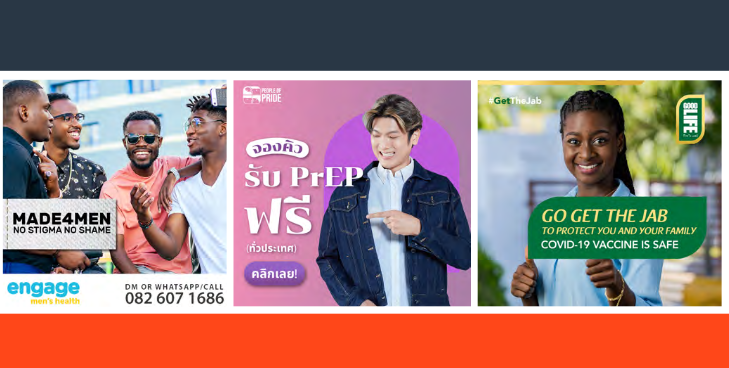
In 2021, Meta and FHI 360 entered a collaboration to explore how to use Meta tools to amplify demand generation and SBC activities. In 2021, nine country teams and 22 staff members participated in a training on designing advertising campaigns to prevent COVID-19 and create demand for vaccination. In 2022, FHI 360 selected five countries (Cambodia, Ghana, Nepal, South Africa, and Thailand) to participate in a more in-depth collaboration that sought to develop best practices for the use of Meta tools to achieve SBC goals. Along with other results metrics, the projects used Meta's Brand Lift Study (BLS) tool, which analyses campaign impact based on user responses to ad recall and questions relevant to behaviour change goals.
The guide has four sections taking you through preparations, planning, developing, and implementing to monitoring and evaluating your campaign. It provides a start-to-finish overview of the minimum steps involved in conducting a paid social media campaign on Facebook. Along the way, it provides some quick tips based on experience, as well as pro tips that take steps even further. While many of the steps and lessons can be applied to a wide variety of platforms, this guide is focused on Facebook and Instagram.
To support this guide, FHI 360 created a 19-slide PPT template you can use to develop your social media plan. The template follows steps in the guide and summarises key information. As you progress through the template, link back to the appropriate section below to dig further into steps, as needed. Directions for completing each slide are included in the slide notes for reference.
Also available is a series of 2-page (each) case studies from the five countries (Cambodia, Ghana, Nepal, South Africa, and Thailand) in the 2022 cohort.
Publishers
FHI 360 website, November 8 2023; and email from Emily Bockh to The Communication Initiative on November 15 2023. Image credit: FHI 360
- Log in to post comments