










































Enhancing the Greater Involvement of People Living with HIV/AIDS (GIPA) in NGOs/CBOs in India
Image
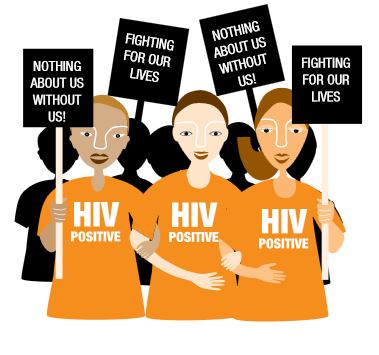
SummaryText
This handbook is a resource collection of information sheets and participatory activities for non-governmental organisations (NGOs) and community-based organisations (CBOs) working on HIV/AIDS who want to work towards a greater involvement of people living with HIV (GIPA) in their work. It aims at sensitising NGOs, building individual skills and organisational capacities so that NGO management, staff and volunteers can discuss and plan together in a participatory way how to meaningfully involve people living with HIV in their organisation. It was developed based on research-based evidence that shows that NGOs in India may have a limited understanding of what GIPA is and of how to plan and implement it, even if they are aware of the need to involve PLHA.
Although the handbook is designed primarily for NGOs and CBOs working on HIV/AIDS, some information, guidelines or participatory training activities may be used also within the public sector by organisations such as the National AIDS Control Organisation (NACO) and the State AIDS Control Organisations (SACS) at national and state level as well as by organisations who do not work on HIV/AIDS. The handbook is not aimed at groups and networks of people living with HIV as resources have already been developed for them; however, they may find some materials presented in this handbook useful by adapting them to their needs.
The handbook includes two kinds of resources: participatory actitivities and information sheets. Participatory activities are here defined as training tools that can be used by internal or external facilitators in training workshops with staff and volunteers of NGOs. These tools are designed to involve participants in discussing and exploring the issues themselves, rather than being "taught". The information sheets summarise and highlight key issues related to a specific theme. Facilitators are meant to read the information sheets included in each module as a preparation for the workshops. Copies of the information sheets can be made and handed out to participants in workshops. They can be read also by NGO staff and volunteers outside of training workshops.
The handbook is divided into the following modules:
Although the handbook is designed primarily for NGOs and CBOs working on HIV/AIDS, some information, guidelines or participatory training activities may be used also within the public sector by organisations such as the National AIDS Control Organisation (NACO) and the State AIDS Control Organisations (SACS) at national and state level as well as by organisations who do not work on HIV/AIDS. The handbook is not aimed at groups and networks of people living with HIV as resources have already been developed for them; however, they may find some materials presented in this handbook useful by adapting them to their needs.
The handbook includes two kinds of resources: participatory actitivities and information sheets. Participatory activities are here defined as training tools that can be used by internal or external facilitators in training workshops with staff and volunteers of NGOs. These tools are designed to involve participants in discussing and exploring the issues themselves, rather than being "taught". The information sheets summarise and highlight key issues related to a specific theme. Facilitators are meant to read the information sheets included in each module as a preparation for the workshops. Copies of the information sheets can be made and handed out to participants in workshops. They can be read also by NGO staff and volunteers outside of training workshops.
The handbook is divided into the following modules:
- Module 1: Understanding the definition of "involvement of people living with HIV" in NGOs.
- Module 2: Understanding why people living with HIV should be involved in NGOs working on HIV/AIDS.
- Module 3: Planning for the involvement of people living with HIV in NGOs.
- Module 4: Creating a supportive environment for the involvement of people living with HIV in NGOs.
Number of Pages
120
Source
United Nations Educational, Scientific and Cultural Organisation (UNESCO) Bangkok, HIV and AIDS Clearing House Updates on October 2006 and September 5 2014.
- Log in to post comments