










































Strengthening Work at the Nexus of Arts, Culture, and Peacebuilding
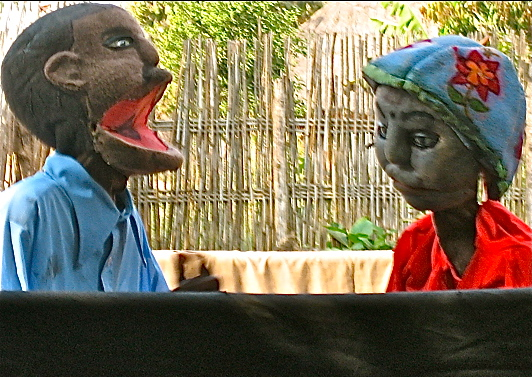
Search for Common Ground (White), Brandeis University (Cohen)
This 20-page report shares insights from a meeting to explore how work at the nexus of arts, culture, and peacebuilding could be strengthened. The meeting was hosted in November 2011 by Search for Common Ground, the Program in Peacebuilding and the Arts at Brandeis University, and the Alliance for Peacebuilding at the United States Institute of Peace. According to the report, arts-based approaches to the transformation of conflict in recent years have gained increased attention and prominence from a range of disciplines.
As stated in the report, artists in every medium – visual arts, theatre, music, dance, literary arts, film, etc. – are supporting communities in campaigns of non-violent resistance to abuses of power, and creating opportunities for building bridges across differences, addressing legacies of past violence, and imagining a new future. In the past decade, such arts-based approaches to the transformation of conflict have begun to gain critical attention from scholars and policy-makers from a range of disciplines. Yet despite these recent positive developments, very few peacebuilding or arts initiatives are resourced at a level that maximizes the potential impact of the initiative and sustains long-term relationships. There are few resources to support the documentation, knowledge-generation, ethical inquiry, and training that would strengthen work in this area.
The participants of the workshop indentified several key areas of work to strengthen this field:
- Defining and mapping - One of the first issues to be raised in the discussion was whether or not work at the nexus of arts, culture, and peacebuilding could indeed be considered a ‘field,’ to which participants decided that yes it can. Participants also suggested that there is a need to map this field, to better understand who, individually and institutionally, is doing this type of work.
- Documenting Work - Throughout the discussion, the importance of documenting successful arts-based socially transformative initiatives was stressed. Documentation was seen as essential both for enhancing effectiveness and for strengthening the legitimacy of arts-based approaches (i.e., to move away from intuitive decisions to articulation of theories of change and documentation of how particular approaches produce changes at individual, relational, communal, and inter-communal levels.
- Research and Dissemination - Just as critical as the rigorous documentation of and/or research on arts-based approaches to peacebuilding is strategic dissemination of case studies, analyses, and findings. The Alliance for Peacebuilding, as the premier peacebuilding network organisation, in conjunction with the Peace and Collaborative Development Network, with over 22,000 members, are well positioned to distribute such work. The Program in Peacebuilding and the Arts at Brandeis University also publishes an e-newsletter to reaches international audiences, and Theatre Without Borders maintains a Theatre and Peacebuilding portal on their website. The Learning Portal for Design, Monitoring and Evaluation for Peacebuilding, an online community of practice and comprehensive resource, will also act as a repository of knowledge for arts and cultural-based peacebuilding work.
- Documenting Work - Discussants suggested that a global network of sorts is needed, in the long-term, to sustain work at the nexus of arts, culture and peacebuilding. Such a network would further legitimise the field, and bring wider perspectives and worldviews into conversations with each other. This action-point developed from an observation that those convened at the meeting were primarily representatives of US-based institutions and/or Global North institutions, and that the discussion should involve a greater diversity of actors to ensure that future actions will take into account the needs of communities and organisations from other parts of the world, specifically the Global South.
Collectively, the aforementioned elements constitute a vision for an infrastructure that would support the maturation of work at the nexus of arts, culture and peacebuilding. Central to the vision are three elements: a global network of scholars and practitioners in both the art and peacebuilding working in this field, an annual global symposium or gathering for people working in this nexus, as well as regular regional gatherings to further support work at this nexus, exchange knowledge, offer support, establish mentorship opportunities, etc.
The report concludes by mentioning that the conveners of the working session suggest that collaboration must take center stage in efforts to further strengthen work at the nexus of arts, culture and peacebuilding. In outlining key next steps, the report also provides information on possible partnership contacts, which can be found in the document. Along with continued opportunities to meet, there is a need to continue with education, training, and public awareness related to the topic. Documentation and evaluation will include evaluating arts-based social change projects with rigor and distribute the findings amongst the community, and online and peer-to peer learning. In terms of research tasks, the report identifies several strategies already in progress: production of a bibliography of plays in traditional English and European literature focusing on conflict and drama; surveying NGOs and funders on the use of and attitudes towards the use of arts-based approaches to peacebuilding; and research into such topics as theories of change, the mainstreaming and maturation of professional fields of practice, and best practices and/or best utilisations of artistic approaches to peacebuilding.
xChange Perspectives website on May 30 2012.
- Log in to post comments