










































Research on Violence against Children during the COVID-19 Pandemic: Guidance to Inform Ethical Data Collection and Evidence Generation
Image
SummaryText
"Global and national stakeholders have raised serious concerns about the risk of increased frequency and severity of VAC, alongside other forms of violence, during the COVID-19 pandemic..."
The United Nations Children's Fund (UNICEF) contends that research and data are important to draw attention to the experiences of children during the COVID-19 pandemic, to advocate for a range of protection services, and to inform the design of violence against children (VAC) prevention and response programmes. That said, collecting primary data from children or caregivers on the experience of violence during the pandemic presents ethical, safety, and methodological challenges and may pose risks to children, families, and even researchers. This resource is meant to serve as a simple guide to inform decisions related to VAC data collection and evidence generation during and after the COVID-19 crisis.
It begins by reviewing the main types and sources of data on VAC and offers examples of data collection options and methods that can be used to assess the ways in which COVID-19 is impacting such violence, including in relation to services. For example, qualitative methodologies include in-depth interviews, focus groups, observations, or participatory research with caregivers, children, and other household members. "In exceptional circumstances - for example, where researchers have long-standing relationships of trust with caregivers, children or other household members, and where privacy can be ensured and a clear referral and support system is in place – it may be feasible to undertake remote qualitative research on VAC."
This section is followed by a review of the ethical aspects of VAC research that can be affected by the pandemic. For example, privacy and confidentiality concerns arise in quarantine situations, especially in crowded dwellings, where conversations may be overheard, screens monitored, and technology shared among family members.
Next, the resource addresses questions on VAC evidence that may arise during the pandemic, such as: What type of data can be used for COVID-19 advocacy related to VAC prevention and response?
It concludes with a "decision tree" that ties all this information together:
A takeaway message: "No data are worth placing children, families or researchers at risk."
The United Nations Children's Fund (UNICEF) contends that research and data are important to draw attention to the experiences of children during the COVID-19 pandemic, to advocate for a range of protection services, and to inform the design of violence against children (VAC) prevention and response programmes. That said, collecting primary data from children or caregivers on the experience of violence during the pandemic presents ethical, safety, and methodological challenges and may pose risks to children, families, and even researchers. This resource is meant to serve as a simple guide to inform decisions related to VAC data collection and evidence generation during and after the COVID-19 crisis.
It begins by reviewing the main types and sources of data on VAC and offers examples of data collection options and methods that can be used to assess the ways in which COVID-19 is impacting such violence, including in relation to services. For example, qualitative methodologies include in-depth interviews, focus groups, observations, or participatory research with caregivers, children, and other household members. "In exceptional circumstances - for example, where researchers have long-standing relationships of trust with caregivers, children or other household members, and where privacy can be ensured and a clear referral and support system is in place – it may be feasible to undertake remote qualitative research on VAC."
This section is followed by a review of the ethical aspects of VAC research that can be affected by the pandemic. For example, privacy and confidentiality concerns arise in quarantine situations, especially in crowded dwellings, where conversations may be overheard, screens monitored, and technology shared among family members.
Next, the resource addresses questions on VAC evidence that may arise during the pandemic, such as: What type of data can be used for COVID-19 advocacy related to VAC prevention and response?
It concludes with a "decision tree" that ties all this information together:
A takeaway message: "No data are worth placing children, families or researchers at risk."
Publication Date
Number of Pages
22
Source
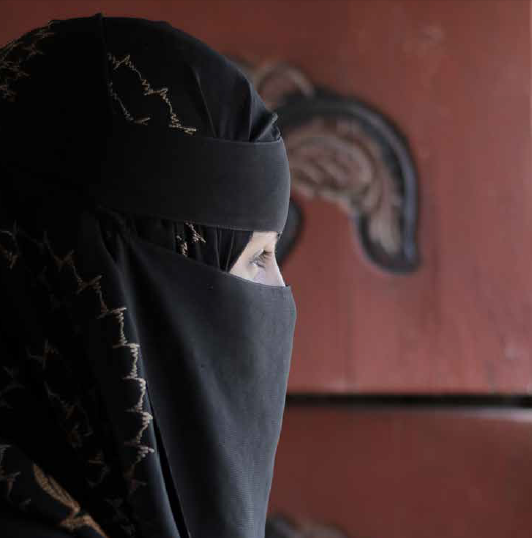
ALNAP COVID-19 Response Portal, accessed on October 20 2020. Image credit: © UNICEF/UNI337488/UNICEF Yemen
- Log in to post comments