










































Red Cross Offers Key Lessons in Crisis Communications
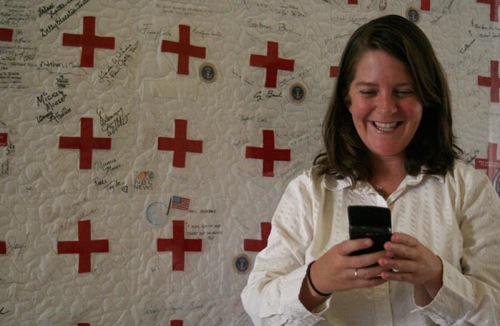
"Crisis communication has changed dramatically in the era of social media..."
This article describes the American Red Cross's communication strategy in crisis situations, which involves a social engagement philosophy that emphasises empowering social communities to execute the organisation's mission to prepare for, prevent, and respond to emergencies by providing user-focused news and tools. It also entails growing a network of supporters by listening, engaging, and acting on public conversations to improve services, enhance reputation, and build trust.
To support this strategy, the organisation placed its Digital Operations Center in the middle of its Disaster Operations Center in Washington, D.C., United States (US). The Red Cross's Laura Howe referred to this as a "social listening center....We can take information that we see from social media and use it to adjust our public messaging, use it to adjust our services and be responsive to the public whether we're in midst of disaster or operational crisis." She said the digital center helps the Red Cross more effectively manage data from Twitter, Facebook, blogs, YouTube, and other sites so it can be used by decision makers as they respond to a crisis.
As reported here, during Hurricane Sandy, which made landfall on the East Coast of the US on October 29 2012, Howe, her 3 full-time staffers, and the trained volunteers recruited to work with the Digital Operations Center faced challenges. In the week before Sandy's landfall, the Red Cross shared information on social media informing residents how to prepare for the superstorm. It also saw more than 400,000 downloads in October of its hurricane app, which had been pushed through social media and traditional media. At the height of the storm, the centre was processing 27,000 pieces of social data per hour through the command center. In November 2012, it touched 2.5 million pieces of social data mentioning the Red Cross or storm aid. Lessons the organisation learned in this process led to the development of an enhanced training programme to help employees and digital volunteers better interact with the public on social media. The Red Cross also reached out to its "spontaneous advocates" and recruited them to join the digital volunteer force. Finally, they launched a Facebook group, Red Cross Social Heroes, and provided talking points, answers to frequently asked questions, and other information to advocates who respond to the public in their own voice.
The Red Cross also uses a blog to correct facts, debunk myths, and share stories, photos, infographics, and other information.
Editor's note: This story is taken from Ragan Communications' distance-learning portal, Ragan Training. The site (full items available through membership only) contains case studies, video presentations, and interactive courses.
Humanitarian Communication Group. LinkedIn, January 23 2014. Image credit: Dr. Natalie Petouhoff
- Log in to post comments