










































Prevalence and Factors Associated with Zero-Dose Children amongst Nomadic and Non-Nomadic Fulani in Yobe State, NorthEast Nigeria
Federal University Dutse (Ibrahim); Bayero University Kano (Abdulhamid); World Health Organization, or WHO (Kofi) - plus see below for full authors' affiliations
"The burden of zero-dose was alarmingly high among nomads compared to non-nomad Fulani despite widespread immunization outreach services in the study area."
The increasing security challenges in northern Nigeria, especially in the northeast geopolitical zone, is an important risk for decreased immunisation uptake, resulting in a higher burden of zero-dose (ZD) children who do not receive any vaccine in the national routine immunisation schedule. Yobe State, located in that zone, includes borders that provide free movement of nomadic Fulani (an ethnic group) from within and outside the country. This study aimed to identify and compare the prevalence and factors associated with ZD immunization status among children of nomadic and non-nomadic Fulani in Yobe State, northeast Nigeria.
A comparative cross-sectional design was used to study 348 nomadic and 345 non-nomadic under-5 children, selected using a multi-staged sampling technique. Data were collected by trained community health extension workers (CEWS) who were familiar with the study area and had previous experience in data collection for community-based surveys. They used interviewer-administered questionnaires, observation of child immunisation cards, and recall by the caregivers.
This study found the prevalence of ZD children among nomads to be 70.1%, while that of non-nomads to be 18.1%. The study shares factors associated with being ZD. For example:
- A significantly higher proportion of non-nomadic children whose caregivers were not willing to receive immunisations or to complete the course of immunisation were ZD (66.7%, p<0.001). The children of vaccine-hesitant caregivers of nomads and non-nomads were 10 or more times more likely to be ZD than non-hesitant caregivers (aOR = 477, 95% CI = 177-13031) and (aOR = 9.7, 95% CI = 2.1-44.3), respectively.
- The nomadic children whose fathers had no education were 3 times more likely to be ZD dose compared to those nomadic Fulani whose fathers had a tertiary education (adjusted odds ratio [aOR] =3.2, 95% confidence interval [CI] = 1.1-9.2).
- The percentage of ZD children was significantly higher among nomads (87.2%, p<0.001) and non-nomad (54.4%, p<0.001) with no available child immunisation card. In fact, the nomadic children with immunisation cards were 27 times less likely to be ZD (aOR = 27, 95% CI = 4.1-181.7) compared to nomadic children with no immunisation card.
- ZD children were higher among nomads who were not accompanied to the health facility by their spouses (76.6%, p<0.001) compared to non-nomads who were accompanied to the health facility by their spouses for routine immunisation. A specific finding: The nomad's children whose fathers accompanied their caregiver to the health facility for routine immunisation were 50 times less likely to be ZD compared to nomads whose fathers do not accompany their caregivers to the health facility for routine immunisation (aOR = 50, 95% CI = 14.7-171.8).
- The non-nomad children whose source of routine immunisation was the outreach service were many times more likely to be ZD compared to those receiving from health facilities (aOR = 384, 95% CI = 183-1057).
These results suggest that a sustainable, cost-effective strategy should be developed to address the critical barriers that impede uptake of immunisation services among children of nomads and non-nomads in Yobe State. For example, conducting regular border surveillance and census of the nomad settlements could help in planning for regular and timely outreach sessions. Also, the finding that the non-availability of the child immunisation card significantly influenced ZD status implies the possibility of a deliberate attempt to avoid vaccines due to deep-rooted cultural beliefs, as evidenced by non-willingness to accept or complete immunisation of their children among the study groups. In response, the government and relevant stakeholders should intensify culturally sensitive, context-specific health promotion activities that speak to these underserved populations.
Full list of authors, with institutional affiliations: Usman Muhammad Ibrahim, Federal University Dutse; Dauda Abdulhamid, Bayero University Kano; Boateng Kofi, World Health Organization (WHO); Mahdi Musa Wade, Maryam Abacha American University of Niger; Abba Ahmed Danzomo, Nassarawa State University Keffi; Sunday Audu, WHO; Nuruddeen Muhammad, UNIK Impact Foundation; Faruk Abdullahi Namadi, Maryam Abacha American University of Niger; Usman Lawal Shehu, Bayero Universiy/Aminu Kano Teaching Hospital; Rabiu Ibrahim Jalo, Bayero Universiy/Aminu Kano Teaching Hospital; Fatimah Ismail Tsiga-Ahmed, Bayero Universiy/Aminu Kano Teaching Hospital; Serawit Lisanework, WHO; Murtala Jibril, Bayero University Kano; Awwal Umar Gajida, Bayero Universiy/Aminu Kano Teaching Hospital; Abubakar Mohammed Jibo, University of Bisha
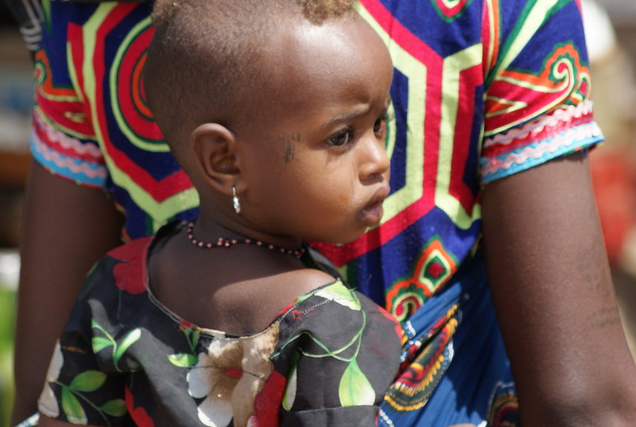
Nigerian Medical Journal 2024;65(5):775-791.https://doi.org/10.60787/nmj-v65i3.545. Image credit: Rosemary Lodge via Flickr (CC BY-NC-SA 2.0)
- Log in to post comments