










































A Preliminary Analysis Report on Deoum Troung Pram Hath in Modern Cambodia: A Qualitative Exploration of Gender Norms, Masculinity and Domestic Violence in Cambodia
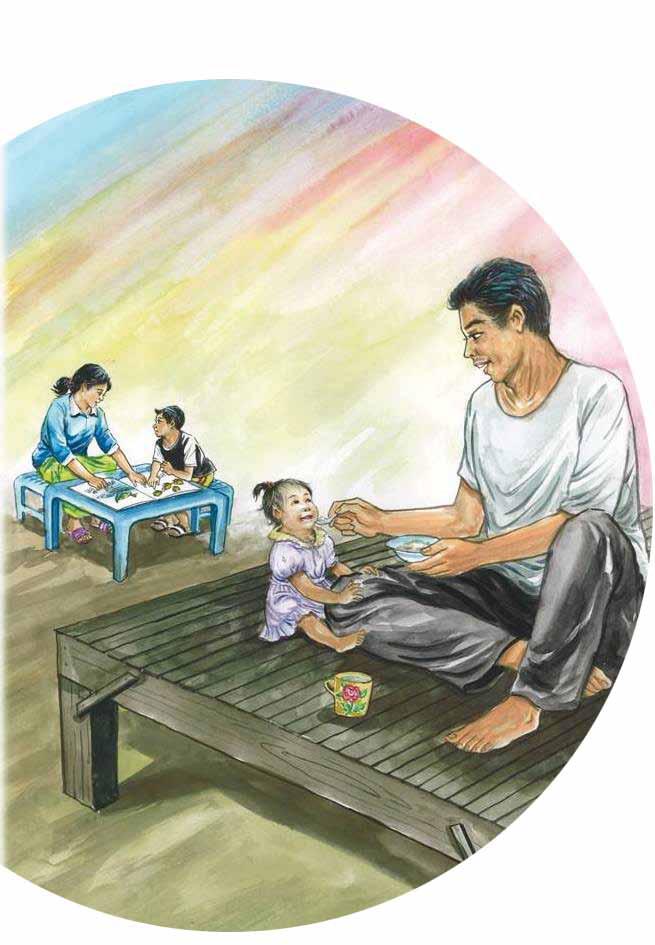
Commissioned by Gender and Development for Cambodia (GADC), this qualitative study examines the links between masculinity, gender, and domestic violence. A review of existing information and a field study in two rural provinces were conducted. The research included focus group discussions and in-depth interviews with married respondents who were both male and female, perpetrators and non-perpetrators of spousal violence, victims, and non-victims of familial abuse. This report documents the key findings from a preliminary analysis of the data.
The findings of this study are grouped into three chapters dealing with:
- masculinity and norms;
- attitudes towards violence against women and the core factors enhancing the risk of violence; and
- inter-related factors contributing to violence, along with responses to violence.
"The recognition of clear links between masculinity, gender norms and violence leads to several important conclusions and recommendations for GADC and other agencies in their ongoing efforts to prevent violence against women. These recommendations, which are in effect entry points for agency programmes as well as for policy and advocacy stakeholders, are organised into six topics...[Footnotes removed by editor]:
1. Holding men accountable:
- work on building awareness of the Domestic Violence Law and other laws to protect women from violence, build capacity of local authorities to enforce these laws and strengthen communication and coordination among commune committees, and advocate with provincial courts to try cases involving domestic violence, trafficking and rape; and
- use counselling skills to work with perpetrators through the men’s and women’s core group dialogue programmes, and enlist former perpetrators to serve as positive role models.
2. Victim support:
- encourage people to speak out, seek services and condemn violence through radio broadcasts, TV talk shows, public meetings, and education campaigns; and
- coordinate with government efforts to change attitudes and build capacity among service agencies.
3. Legal and Economic Empowerment of Women:
- develop violence prevention programmes for men that provide an understanding of, and skills to cope with, rapidly changing socioeconomic and political realities;
- support core men’s group dialogue to share with their peers positive experiences of helping in the home and provide them with an opportunity to act as role models in their community; and
- integrate campaigns promoting healthy dialogue and recognising the respective contributions of women and men to their families into a wide range of development projects that seek to strengthen livelihoods.
4. Primary Prevention:
- include young people in public campaigns on violence prevention;
- implement interventions with adolescent and adult males and females that are sensitive to the Cambodian context;
- ensure that core men’s and women’s groups discuss the behaviour and attitudes of young people, and ways to ensure effective cross-generational communication about these topics; and
- incorporate gender-based violence and masculinity issues into other programmes related to peace building and conflict resolution, as well as gender issues.
5. Public Security:
- expand discussions in core men’s and women’s groups to include the joint roles and responsibilities of citizens and authorities to build community networks and strengthen social infrastructure.
6. Engaging Men for Equality:
- strengthen male involvement in preventing gender-based violence in Cambodia;
- train and support staff to approach violence from a gender sensitive perspective and to act as positive role models themselves;
- encourage men and women to talk about responsible sexual behaviour; and
- provide information to men and women about Cambodia’s Labour Law and its provisions for paternity leave."
Partners for Prevention Newsletter, March 5 2011.
- Log in to post comments