










































An Overview of the Current Challenges to the Safety and Protection of Journalists
International Women's Media Foundation (IWMF)
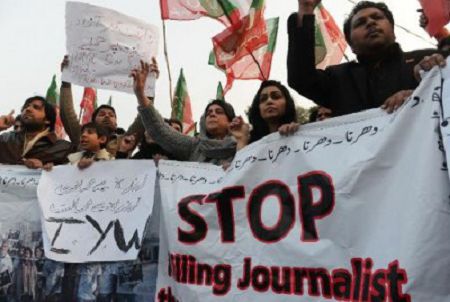
The International Women's Media Foundation (IWMF) produced this high-level overview report on the status of journalist safety, which seeks to increase the understanding of media leaders about the threats inherent in the practice of journalism worldwide and suggests what can be done to mitigate these dangers. The report was prepared for the United Nations Educational, Scientific and Cultural Organization (UNESCO) Media Leaders Conference on the Safety of Journalists, an international conference convened in February 2016 for leaders of news organisations, especially the owners, publishers, and editor-in-chiefs. The overview report highlights key themes that affect journalists’ safety globally, including: (i) impunity for crimes against journalists, which fosters killings and abductions; (ii) the range of dangers facing journalists; (iii) the lack of resources for comprehensive security training and the hands-off approach of many news media organisations, particularly related to freelance and local journalists in violent societies lacking press freedom; and (iv) steps being taken to address the issue. The report concludes with recommendations for U.N. member states and news media organisations. It comes in the context of growing attention worldwide, much of it inspired by the UN Plan of Action on the Safety of Journalists and the Issue of Impunity. The UN Plan defines journalists broadly, including social media users who produce a significant amount of journalistic content. In this context, safety initiatives are developing within the media community (including community media), and this report is aimed to help inform and strengthen these in particular.
One key concern repeated throughout the report is that "the absence of official action to prevent or punish crimes against journalists is a serious problem. Government officials may fail to intervene or protect journalists when they are threatened or attacked by outside parties such as militant groups or drug cartels. Besides not providing protection to journalists in distress, many states fall short in combatting impunity for attacks on journalists. To make matters worse, repressive governments sometimes take legal action against journalists such as charges of treason, incitement to violence, or terrorism. They also target journalists with physical or electronic surveillance. This results from an absence of political will, weak justice systems, corruption, and chaos that allow perpetrators to literally get away with murder....Both staff and freelance journalists across the globe report a lack of resources from the media organizations they work for to make their work safer, including access to lawyers and trauma therapists, safety training, bodyguards, armored vehicles, body armor, affordable insurance, satellite telephones, and cyber protection tools and training. In addition, many freelancers have said that a lack of adequate pay leads them to cut corners and take risks..."
A review of current safety practices and guidelines and gaps for journalists' safety, the report offers suggestions of next steps and guidelines for those invested in the issue of journalists' safety. One of them involves training: digital security training, first aid training, and also creation of a newsroom culture in which colleagues are briefed about the signs of trauma and know how to respond. "Newsroom managers should be sensitive to the fact that social and online media use can lead to harassment of journalists. Some journalists may limit their online activity or delete their online accounts to avoid such treatment."
The IWMF, in partnership with the World Association of Newspapers and News Publishers (WAN-IFRA) and the International Federation of Journalists (IFJ), is also convening a high-level group of participants to review the outcomes of the 2016 conference and develop a series of concrete action plans and recommendations regarding journalist safety. The group aims to produce a working document to circulate following the session.
New Media Development Publications January - June 2016, sent from CAMECO to The Communication Initiative on August 19 2016; and IWMF website, September 26 2016. Image credit: Yes 2 Urdu
- Log in to post comments