










































Making Decisions Beyond the Partnership Dyad: Familial and Communal Influences on Contraceptive Decision-making Among Women in Kenya, Uganda, Malawi, and Nigeria
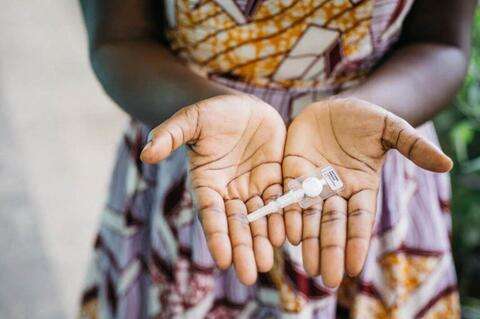
Abstract summarising a Preformed Panel Session at the 2022 International SBCC Summit in Morocco (see Related Summaries below for presentations that formed part of this panel):
"The linkages between contraceptive use and women's empowerment have found increased focus with the emergence of sexual and reproductive health (SRH) self-care. In the context of contraception, it is assumed that self-care technologies like self-injectables hold the possibility of providing new inherent social and behavioral change (SBC) for women, as its use may offer women capacity to actualize their power within (or sense of self-worth) by self-administering their own care. In doing so, women may sidestep entrenched social and patriarchal norms that might otherwise supersede their right to realize their SRH goals autonomously. An implied assumption in such a value proposition is that women desire autonomy, and value products that can support them to act independently to achieve their SRH goals. Evidence from early self-injectable program research, however, demonstrates women's varied definitions of and aspirations for "power" in this context. As the global SBC community works to advance individuals' ability to shape the health and lives they desire, such insights have important implications for practice. SBC practitioners require evidence to support intervention design and adaptive management that is in line with women's goals for power in their self-care and lives. Following the logic that 'what gets measured gets managed', this panel will join participants with researchers and implementers from programs across four sub-Saharan countries to consider the role that measurement and evaluation currently plays in shaping SBC practitioners' understanding of whether and how interventions effectively advance women's power in their contraceptive use."
Approved abstract for the 2022 SBCC Summit in Marrakech, Morocco. From SBCC Summit documentation. Image credit: PSI