










































1 minute
Health Rights Are Civil Rights
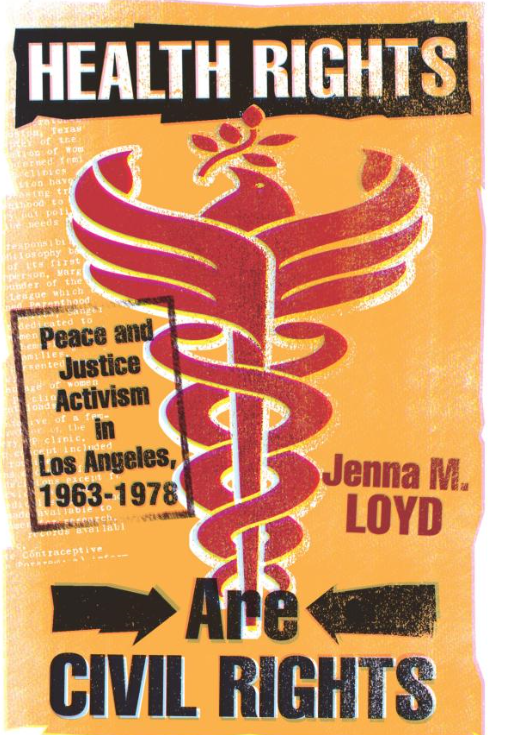
Health Rights Are Civil Rights tells the story of the important place of health in struggles for social change in Los Angeles in the 1960s and 1970s. Jenna M. Loyd describes how Black freedom, antiwar, welfare rights, and women’s movement activists formed alliances to battle oppressive health systems and structural violence, working to establish the principle that health is a right. For a time—with President Nixon, big business, and organized labor in agreement on national health insurance—even universal health care seemed a real possibility.
Health Rights Are Civil Rights documents what many Los Angeles activists recognized: that militarization was in part responsible for the inequalities in American cities. This challenging new reading of suburban white flight explores how racial conflicts transpired across a Southland landscape shaped by defense spending. While the war in Vietnam constrained social spending, the New Right gained strength by seizing on the racialized and gendered politics of urban crisis to resist urban reinvestment and social programs.
Recapturing a little-known current of the era’s activism, Loyd uses an intersectional approach to show why this diverse group of activists believed that democratic health care and ending war making were essential to create cities of freedom, peace, and social justice—a vision that goes unanswered still today.
- Log in to post comments