










































A Generation on the Move: Insights into the Conditions, Aspirations and Activism of Arab Youth
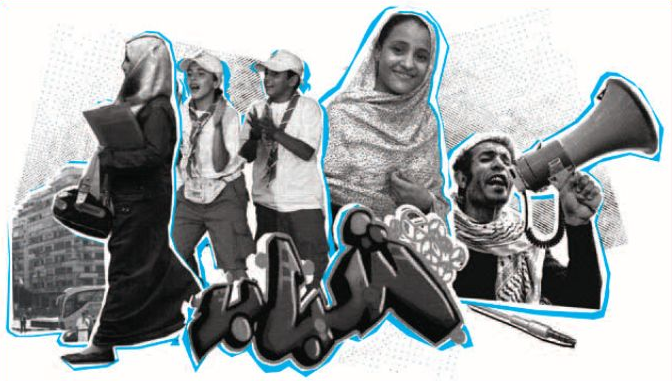
"More than ever before, we need accurate and comprehensive knowledge of the issues and sentiments that define the lives of Arab youth if their enormous energy, talent and commitment to their societies are to be fully harnessed for a new era of state-building based on the two key values that they seem to express: equity and opportunity."
With the aim of identifying and better understanding key elements of young Arabs' perspectives on themselves and their place in society, in 2009, the Issam Fares Institute for Public Policy and International Affairs at the American University of Beirut (AUB-IFI) initiated a 2-year partnership to produce an updated and forward-looking situation analysis on youth in the Middle East and Northern Africa (MENA) region with the support of the United Nations Children's Fund (UNICEF) Middle East and North Africa Regional Office (MENARO). This report aims to provide insights into the lives of young Arabs aged 15-24 years - in areas including civic participation, gender equality, employment, and education - that "are not sufficiently acknowledged by the decision-makers and key actors in society who directly influence the well-being of Arab youth." It also intends to inform and sensitise readers about the challenges and rights violations that adolescents (10-19) and youth (15-24) confront on a daily basis throughout the MENA region, as well as the opportunities to address these in the current evolving context. In an effort to fill a regional gap in knowledge, information, and evidence-based policymaking related to youth across the region, the study addresses the situation, conditions, and mindsets of young people through 4 broad categories of interdependent rights: survival, development, protection, and participation.
The publication is based on numerous consultations and analysis of new and existing research that includes a combination of available international and national statistical data, recent polls and surveys, national studies, ongoing or completed research, and analytical texts from experts in the field. For example, 4 thematic roundtables were held in Cairo, Dubai, Beirut, and Tunis, on the themes of (1) youth political participation and civic engagement; (2) identities and values; (3) new media use; and (4) adolescent girls. The discussions and views presented by researchers, regional experts, practitioners, and young people themselves during these roundtables were incorporated into the report. Other consultations included the inaugural IFI-AUB annual meeting of pollsters of Arab youth, the first two Goethe Institute-IFI seminars on Studying Youth in the Arab World, and roundtable workshops on youth social entrepreneurship in the Arab world and youth social policies. The research team placed significant emphasis on tapping into the voices and sentiments of young Arabs through four key approaches: (1) recent surveys and polls at national and regional level; (2) focus groups with youth throughout the region, including youth researchers in 8 Arab countries organised through a British Council project; (3) country-based analyses of youth expressions on websites, chat rooms, and other web-based outlets; and (4) field research by local academic researchers within the Arab world who directly engaged, surveyed, or interviewed young people.
Based on this process, the report identifies a series of priority issues in the lives of young Arabs which are each addressed in a unique chapter of this report: Youth Identities and Values; Civic and Political Participation; Arab Youth and Media Expression; Youth Autonomy in the Arab Family; Young Women and Girls; Arab Youth Sexuality; Migration of Arab Youth; Youth in Situations of Violence and Armed Conflict, and; National Youth Policies in MENA. Findings are provided for each topic area. For example, for the latter topic, we learn that:
- "Many Arab countries have been active in the process of formulating a national youth strategy to place youth issues on their public agenda for the first time ever, and to have young people at the heart of national development processes."
- "The potential opportunities and benefits of youth and their well-being in the region rely on the implementation of realistic policies and programs by governments that can also cooperate with the private sector and civil society."
- "Weak national youth policies [NYPs] and programs can be the result of a number of constraints, including: the absence of sufficient political will and effective advocacy; the lack of available information on which to base realistic policies and programs; the lack of faith in the national governments and their widespread corruption....Yemen has its own NYP vision (2006-2015) to build a society where all Yemeni children, young men and women are protected, valued and respected for their unique contributions and creativity."
- "The participation of youth in the formulation of NYPs is critical for successful youth policies."
- "[M]any Arab countries lack the experience to develop the necessary structures, methods, and allocate the resources to support youth participation."
- "Even after NYPs are defined and launched, a number of challenges face Arab states and societies..."
Several case studies are included throughout the report, such as one focused on youth employment, skills, and investments in the region. It is noted that the region is still affected by the low employment outcomes of job seekers and the low productivity at the workplace, in particular for young men and women. "One of the major constraints is the lack of data and statistics in the Arab region....Youth policies and initiatives carried out by both governmental and non-governmental organizations should be well-informed, and should see the issue of youth through the larger, more accurate, lens of nationwide policies, including employment policies."
AUB website, March 5 2013. Image credit: Amin Musa
- Log in to post comments