










































COVID-19: Reporting on Gender-based Violence During Public Health Crises
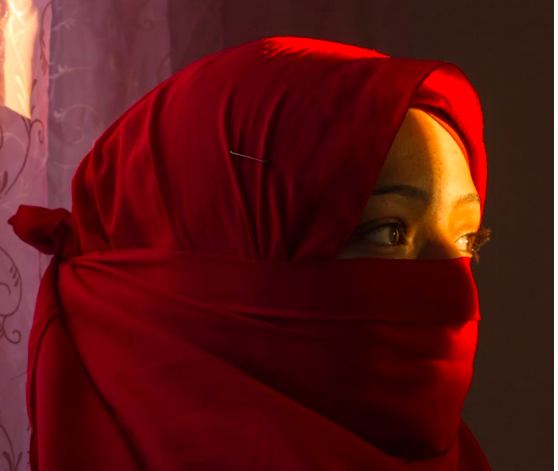
"Covering gender-based violence (GBV) is one of the most difficult tasks a journalist is likely to face throughout their career, particularly during a public health crisis."
This resource is a companion to the United Nations Population Fund (UNFPA)'s second edition of Reporting on Gender-based Violence in Humanitarian Settings: A Journalist's Handbook (see Related Summary below). It offers background information on gender-based violence (GBV) in the context of COVID-19, as well as tips and recommendations for journalists, editors, and supervisors to support effective reporting on GBV during pandemics like COVID-19. It also encourages reporting that safeguards the safety of survivors of GBV, as well as the safety and mental health of journalists.
As explained in the handbook, "during a pandemic, lockdowns, curfews and other restrictions on movement are deemed necessary preventative health measures that can save millions of lives. For women and girls, they can also be sources of increased risk of violence and death." Reporting on social justice and human rights issues and raising public awareness on the mounting challenges facing women and girls during this pandemic becomes increasingly important, yet journalists need to take particular care when reporting in this context in order to avoid further harm. For example, they need to be mindful that measures such as lockdowns, curfews, and quarantines make it much more difficult for survivors to evade retaliation if their identities become public, particularly if they choose to speak out on the violence they have experienced.
The handbook includes the following sections:
- Overview: discusses the impact of pandemics on women and girls and the role of journalists in drawing attention to the increased risk of GBV.
- Covid-19 - A Gender Perspective: explores how the COVID-19 pandemic has revealed the inherent and systemic gender inequalities that underlie communities. These inequalities determine how the pandemic and its resultant response measures impact women and girls.
- Reporting on Gender-based Violence during a Pandemic and Other Health Crises: looks at the importance of survivor-centred journalism, which involves empowering survivors by putting them at the centre of the reporting process. This becomes even more important in a health crisis, particularly given the inability of survivors to distance themselves from their abusers.
- A Note on Mental Health: highlights the importance of journalists taking additional care to safeguard their own mental well-being and to prevent trauma from impacting their reporting in any way.
- Recommendations: offers a list of recommendations that are designed to function as a general primer for journalists, teams, editors, and supervisors on how to effectively report on GBV during pandemics like COVID-19. They are meant to complement the in-depth guidelines provided in the Journalist's Handbook, which also incorporates insights from journalists in the Arab States region. For example:
- Recommendations for journalists include: avoid interviewing survivors directly, even via virtual means; and know what GBV services are available to survivors in case journalists need to refer someone.
- Recommendations for editors and supervisors include: adopt a clear, progressive, and evidence-based editorial policy; and ensure journalists are trained and coached before assignments.
Publishers
English; Arabic
8
UNFPA website on October 13 2020.
- Log in to post comments