











































Challenges in Using the Designing for Behaviour Change Approach to Aid Intervention Design
Concern Worldwide
According to this poster presentation for the International SBCC Summit 2016, Addis Ababa, Ethiopia, February 8-10, the organisation Concern Worldwide "introduced a social and behaviour change approach in an effort to bridge the knowledge practice gap and to achieve sustainable change in important health behaviours in 2012. Concern employed the Designing for Behaviour Change (DBC) approach."
There were 82 barrier analyses conducted between 2011 and 2014 in 16 countries including: Niger (14), Sierra Leone (13), Tanzania (7) and Mozambique (7). "Barrier analysis was also used for understanding and addressing gender related behaviours in Tanzania." Difficulties and challenges to changing the DBC approaches to address underlying determinants highlight "challenges for staff in applying new approaches, some constrained by their cultural environment and sphere of experience. Donor pressure on achieving quantifiable outputs rather than aiming for sustainable health behaviours which
can take time impeded a real change in approach."
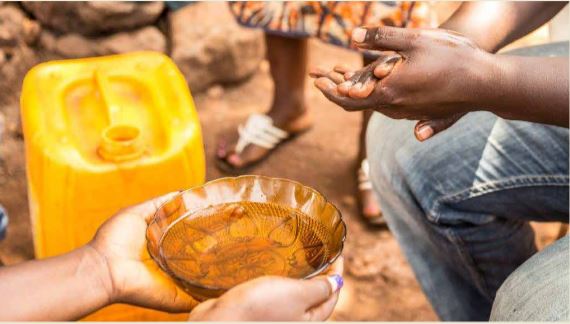
Charts show the barrier analyses conducted in sub-sectors and the most frequent behaviours included in the analyses, for example, hand washing with soap, exclusive breastfeeding, antenatal care, family planning, and bednet use, among others.
Lessons learned include:
*"Concern knowledge, practice and coverage surveys (KPC) frequently report an increase in knowledge with limited changes in practice or behaviour change.
*Translating BA findings into effective activities is a weak link in the DBC process. An adult education approach is required to impart key health behaviour messages effectively.
*Concern’s experience is that DBC/BA training needs to expand to develop and implement comprehensive and realistic action plans using practical locally
proven solutions."
In order to addressing these lessons, Concern plans to
"... start the DBC/BA process before decisions are made about the type and nature of interventions to ensure that diverse culturally appropriate activities are written into action plans, proposals and budgets. Development and sharing of action plans based on BA findings can stimulate the engagement of new ideas with local influencing groups. Better follow-up and programme data monitoring with process evaluation should identify messages that are not working and can support more effective health behaviour messages and practices."
Email from Breda Gahan to The Communication Initiative on February 8 2016. Image caption/credit: International Women's Day Afghanistan (2014, Card McGown, Concern Worldwide)
- Log in to post comments