










































Brown envelope journalism
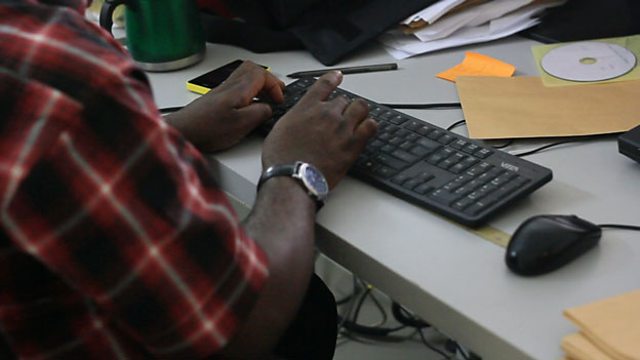
Author: Aveseh Asough, July 22 2015 - In Nigeria, brown envelopes have a special significance.
For Nigerian journalists brown envelopes suggest money. Cash collected after an event or an assignment to cover ‘transport costs’.
Normal
It’s always been this way. At the start of my career as a journalist, before I got to know about the implication of cash or other gifts on my profession, I found it odd that often colleagues would stay back after an assignment to collect their brown envelopes.
Despite my unease with this practice, it was normal and even I picked up a brown envelope on occasion.
It’s easy to see why I felt troubled. Hidden behind the ‘harmless’ brown envelope is a silent expectation of positive coverage for the organisation that gives out the fattest brown envelope. It has serious implications for a journalist’s editorial independence – and trust in Nigeria’s media as a whole. This is why the term ‘brown envelope journalism’ is used among professional journalists in Nigeria to describe unbalanced, biased and unethical stories.
Changing perceptions
Over the past year, I’ve trained over 100 journalists from 24 stations on media editorial guidelines, part of a BBC Media Action project aimed at increasing the trustworthiness of media in Nigeria. The ethical considerations of accepting brown envelopes are part of this training.
For one of my trainees in Lagos, it was the first time he’d heard that picking up a brown envelope might impact on a journalist’s editorial independence. He thought it was agreed practice for organisations to pay costs to journalists after an assignment.
In a follow up session, he told me: “I went for an assignment after your training last year and I didn’t collect a brown envelope.’’ He is now an advocate against brown envelope journalism in the station where he works.
Ripple effect
Another journalist making a positive change is a news editor in Abuja. Despite the financial temptation, he would never hang around after covering an event, saying: ‘’the brown envelope is very degrading for a journalist. It makes you lose respect.’’
Stations in Nigeria face huge financial challenges. Brown envelopes often provide a monetary cushion for journalists left to financially fend for themselves.
Finance and tradition are hard obstacles to overcome but the more journalists who refuse brown envelopes, the more accountable, independent and trusted Nigerian journalism can be.
Click here to access this BBC Media Action blog and related links on their work in Nigeria. Image credit: BBC Media Action
Contact:
BBC Media Action
BBC Media Centre, MC3A, 201 Wood Lane
London
W12 7TQ
United Kingdom (UK)
Phone: 44 (0) 20 8008 0001
Fax: 44 (0) 20 8008 5970
Media.action@bbc.co.uk
- Log in to post comments