










































Be Healthy – Know Your Viral Load Campaign
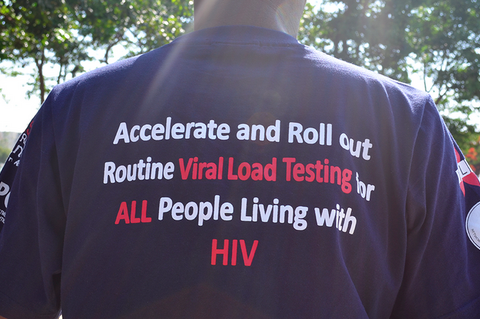
Launched in October 2015, the Be Healthy - Know Your Viral Load Campaign calls on African governments to make viral load tests routinely available to all citizens living with HIV. The campaign is coordinated by the International Treatment Preparedness Coalition (ITPC) and the AIDS Rights Alliance in Southern Africa (ARASA) and works with treatment advocates and networks of people living with HIV to support them in demanding their rights to good quality HIV treatment. The campaign is working with 11 partners across Africa in the following countries: Botswana, Cameroon, Ivory Coast, Kenya, Malawi, Morocco, Swaziland, Tanzania, Uganda, Zambia, and Zimbabwe. The World Health Organization (WHO) strongly recommends routine viral load testing as an essential part of effective HIV treatment, as this is the only way to know whether treatment is working. While many countries in the region have adopted the WHO guidelines, the tests are not widely available in 10 out of the 11 countries involved in the campaign. Activities of the campaign include videos to raise awareness of the issue, the production of materials to support advocacy activities, and training.
Be Healthy - Know your viral load aims to:
- inform people living with HIV about the value of viral load tests;
- mobilise people to demand routine viral load testing; and
- urge governments to make sure the tests are routinely available, accessible, and affordable.
As part of the campaign, a short film was created about London Chuma from Kafue, Zambia and Doreen Nasaala, from Kampala, Uganda. Both are HIV positive, and their stories help demonstrate the impact of viral load testing. The campaign is encouraging organisations and individuals to organise screenings to raise awareness about the issue and mobilise people to take action. Click here to download the film.
The campaign has also produced a variety of materials to support advocacy efforts. These include a toolkit for activists "Activist Toolkit - Campaigning for Routine Viral Load Monitoring" [April 2016], developed by ITPC, as well as information leaflets for decision makers and health facilitators to help create awareness and motivate people to take action. A similar leaflet was published for people living with HIV to promote awareness of the value of viral load testing amongst people living with HIV. Click here to access these resources.
In October 2016, the campaign also organised a 'Be Healthy - Know Your Viral Load' online course for people living with HIV or people working in the field. It was designed to educate participants about why routine viral load testing is critical to health, and how they can mobilise communities to demand the test.
HIV/AIDS, Treatment
Although many governments have adopted the 2013 WHO Guidelines to routinely provide viral load tests, the reality for people with HIV in many African countries is quite different. The programme conducted two surveys which suggest that people living with HIV do not have access to these tests. The results have been published in the following reports:
- Global Policy, Local Disconnect: A Look into the Implementation of the 2013 HIV Treatment Guidelines [2014]
- Routine For You But Not For Me [2015] - this report suggests limited availability of routine viral load testing. It also showed low levels of awareness of the value of routine viral load tests amongst people living with HIV and service providers.
International Treatment Preparedness Coalition (ITPC) and the AIDS Rights Alliance in Southern Africa (ARASA)
Know Your Viral Load Campaign website on November 7 2016.
- Log in to post comments